
Preventive Well-being. The new frontier of pet nutrition
20 October 2025
Supply Chain Transparency and Traceability: The EU Context
4 November 2025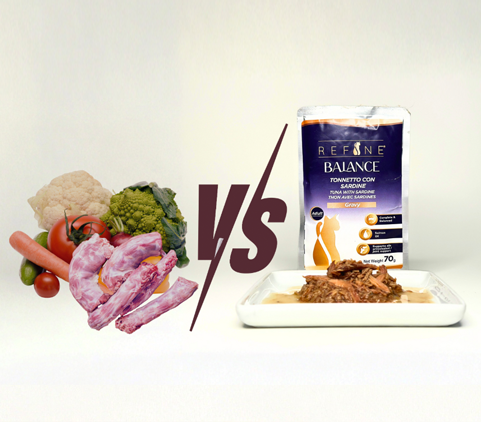
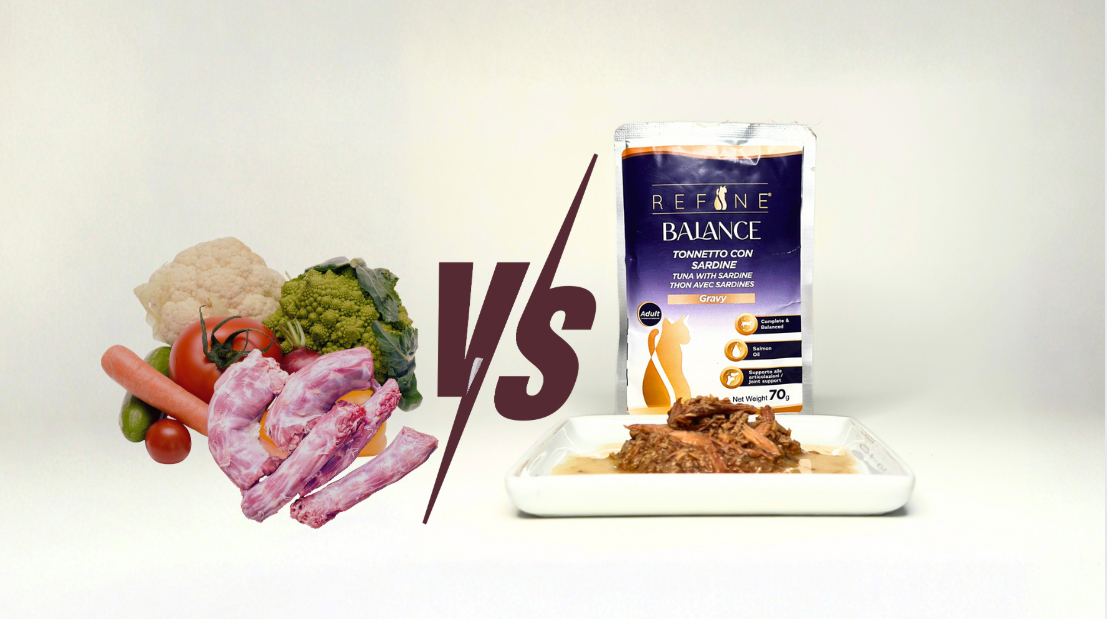
Natural Doesn’t Always Mean Safe
In recent years, raw feeding (meat-based raw diets) and the BARF diet have gained popularity among pet owners seeking a more natural approach.
What is the BARF diet? The acronym literally stands for Biologically Appropriate Raw Food, although the older definition Bones And Raw Food better explains the type of diet that takes the concept of “natural” to the extreme. The BARF diet is based entirely on feeding raw fresh meat, bones, internal organs, vegetables, and fruits, aiming to mimic the ancestral diet of animals in the wild.
Pros and Cons. Advocates report improved palatability, easier digestion, and shinier coats, but experts urge caution: studies confirm only partial benefits while highlighting real microbiological and nutritional risks (Freeman et al., Journal of the American Veterinary Medical Association, 2013).
Perceived Benefits of Raw Feeding
The appeal of an “ancestral diet” is strong: fresh, unprocessed ingredients and a desire for feeding closer to nature. Many owners report shinier coats, less odorous stools, and higher energy levels.
A study published in Frontiers in Veterinary Science (2022) showed that dogs fed raw diets exhibit different inflammatory profiles compared to those fed kibble, but the authors emphasize that there is insufficient evidence of a stable clinical benefit over time.
Health and Zoonotic Risks
The main concern with raw feeding is microbiological safety.
Several FDA (2023) and EFSA (2020) surveys detected Salmonella spp., Listeria monocytogenes, and Escherichia coli in raw pet food samples. These bacteria can cause gastroenteritis in animals and humans, even through indirect contamination of bowls or household surfaces.
Antibiotic-resistant strains have also been found, posing an emerging risk to public and veterinary health (Baede et al., Veterinary Microbiology, 2019).
Nutritional Balancing: The Invisible Risk
Many raw diets, especially homemade ones, are nutritionally unbalanced.
Deficiencies in calcium, phosphorus, zinc, or B vitamins can compromise bone, kidney, and metabolic health, particularly in puppies.
A review published in Animals (MDPI, 2021) found that over 60% of analyzed homemade raw diets were lacking at least one essential nutrient.
For this reason, veterinary organizations such as AVMA and WSAVA recommend that any raw diet be formulated under the supervision of a veterinary nutritionist.
Practical Tips for Raw Feeding
Owners who still wish to feed raw can reduce risks by following key rules:
-
Consult a veterinary nutrition expert;
-
Use certified, traceable ingredients;
-
Apply strict hygiene in preparation and storage;
-
Avoid contact of raw pet food with human food or kitchen surfaces.
Conclusion
Raw feeding may seem like a more natural choice, but natural doesn’t mean safe. Perceived benefits must be weighed against real risks of bacterial contamination and nutritional imbalances.
Truly healthy feeding combines quality, safety, and nutritional balance, ensured by professionals and a transparent supply chain.
As EFSA (2020) reminds us, “pet food safety is a shared responsibility between producer, veterinarian, and owner.”
Discover REFINE Pet Foods
Natural isn’t enough: safety matters too.
With REFINE Pet Foods, give your pet a premium, natural diet prepared with advanced technologies and strict controls to ensure hygiene, traceability, and clear nutritional values. A responsible way to choose the best from nature — with the guarantee of safe, controlled, high-quality processing.
Contact us